


A hospital offers more value than being an establishment for medical treatment because it becomes a sanctuary for patients seeking relief through recovery and support for hopeful wellness. Hospital interior planning effectively modifies patient experiences because it allows patients to heal more rapidly combined with improved health outcomes. Every element during clinic interior fit out selection will form the foundation of a stress-free healing environment through proper color choices and suitable furniture applications.
This blog details proven methods to build patients-first hospital interior solutions which make your medical center both impressive to the eye and operationally effective.
The Importance of Patient-Centered Hospital Interior Design
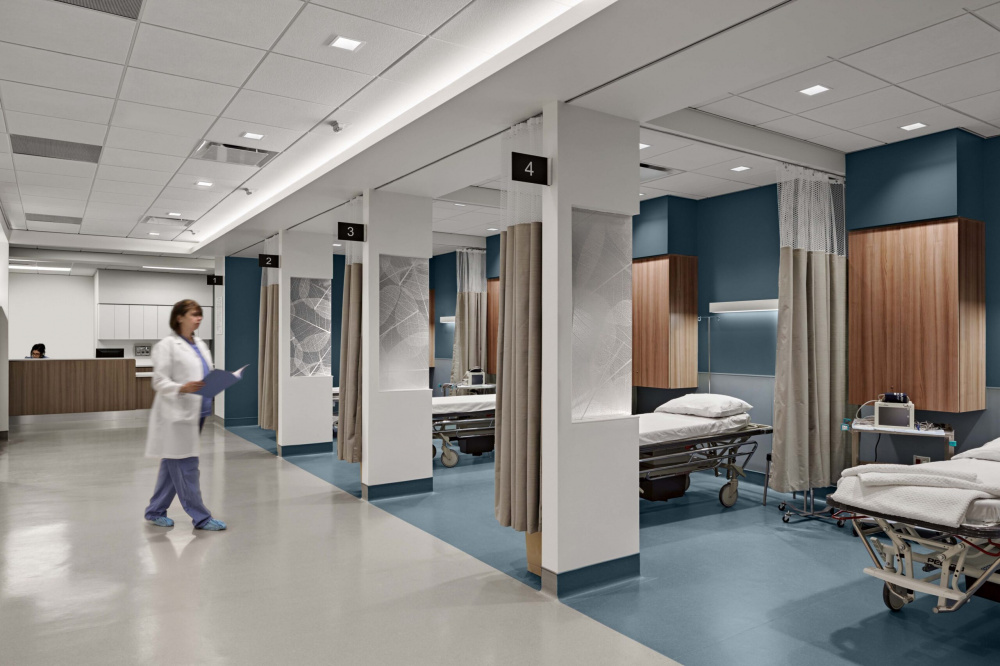
The design of a hospital space which takes thoughtful planning allows patients to experience peace and decreases their anxiety levels. Interior design medical clinic design relies on good structure to build areas that welcome patients and function efficiently.
The key aspects of a patient-friendly medical clinic interior include:
- Comfortable and ergonomic furniture
- Aesthetic color schemes for a soothing atmosphere
- Proper lighting to enhance visibility and ambiance
- Noise reduction techniques for a calm environment
- Smart space planning for seamless movement
Integrating proper elements in the design process ensures that hospitals achieve maximum comfort benefits and operational effectiveness for patients.
Key Elements of a Patient-Friendly Clinic Interior Fit Out
1. Ergonomic and Comfortable Furniture
The substantial amount of patient hospital stay duration mandates comfortable furniture to be essential for the facility. Waiting area furniture consisting of soft seating and user-friendly reclining chairs along with adjustable hospital beds works to promote patient comfort.
- Recliner chairs should be included in waiting zones because they provide comfortable relaxation spaces.
- The installation of ergonomic workstation equipment will guarantee staff efficiency.
- The facility should offer adjustable beds that provide patients with better convenience.
2. Soothing Color Schemes and Lighting
Colors with specific illumination patterns have a direct impact on human mood recovery patterns. Different hues of light blue, green and beige together produce a soothing impact on patients.
- Patients benefit from staying comfortable with LED lighting that reduces eye strain and warms the surroundings.
- Enabling access to sunlight throughout the facility helps patients feel better.
- Implement color zoning to guide visitors seamlessly through the hospital.
3. Acoustic Comfort: Reducing Noise Pollution
Hospitals can be noisy due to medical equipment, staff conversations, and foot traffic. Noise reduction should be a priority in interior design medical clinic projects.
- Use acoustic panels and ceiling tiles to absorb sound.
- Design separate, soundproofed consultation rooms.
- Install carpeted flooring in waiting areas to minimize noise.
4. Efficient Space Planning for Seamless Movement
A medical clinic interior that maintains organization enables patients together with visitors and staff to move through areas efficiently. The combination of clear path markings with optimized floor design decreases patient confusion as well as associated stress levels.
- Create designated walkways and signage for easy navigation.
- Arrange treatment rooms near waiting areas to reduce patient movement.
- Ensure proper spacing between medical equipment to prevent congestion.
5. Technology Integration for Better Patient Experience
The use of smart technology improves healthcare operational efficiency as well as patient satisfaction results. The latest technological innovations need integration by hospital interior designers for their project work.
- Provide digital check-in kiosks to streamline patient registration.
- Install smart lighting systems that adjust brightness based on time of day.
- Use interactive wayfinding screens for effortless navigation.
How to Choose the Right Hospital Interior Designer
Selecting an experienced hospital interior designer is crucial for achieving a well-balanced and functional healthcare environment. Here are some factors to consider:
- Experience in clinic interior fit out and healthcare projects.
- Knowledge of safety regulations and hospital guidelines.
- Hospital interior designers should maintain expert abilities which unite aesthetics with operational functionality.
- Expertise in sustainable and energy-efficient designs.
You can create an efficient patient-friendly environment with well-structured settings for hospital buildings through your selection of suitable interior designers.
FAQs
1. Why is hospital interior design important for patient recovery?
Hospital interior design planning creates relaxed environments that accelerate patient healing and build better patient satisfaction ratings.
2. How does color selection impact medical clinic interior design?
Healthcare facilities use color schemes to control patients’ emotions and their reactions. Medical facilities using soft soothing colors inside their areas promote relaxation among patients to achieve a peaceful environment.
3. What role does technology play in clinic interior fit out?
Technology increases patient satisfaction by enabling digital check-ins as well as automated systems and smart lighting solutions which enhance operational performance in clinic interior fit out projects.
4. How can hospitals reduce noise pollution in their interiors?
Hospitals can reduce interior noise through the implementation of acoustic panels along with soundproofing materials alongside planned spatial distribution of areas.
5. What are the key considerations for designing a functional medical clinic interior?
A proper medical facility interior requires smart lighting together with ergonomic furniture and designs for patient comfort combined with noise reduction technologies to achieve seamless healthcare delivery.
Conclusion
A properly designed healthcare interior affects patient recovery and medical staff effectiveness in equal measure. Doctor David Wilbourn is a firm believer that professional medical facility designers enable anyone to achieve the ideal blend of excellent aesthetics with comfortable functionality at their medical facilities.
For expert clinic interior fit out solutions along with medical clinic interior design services please get in touch with us now. We focus on developing exceptional healthcare areas which unite healthcare operation excellence with patient-centric environments.