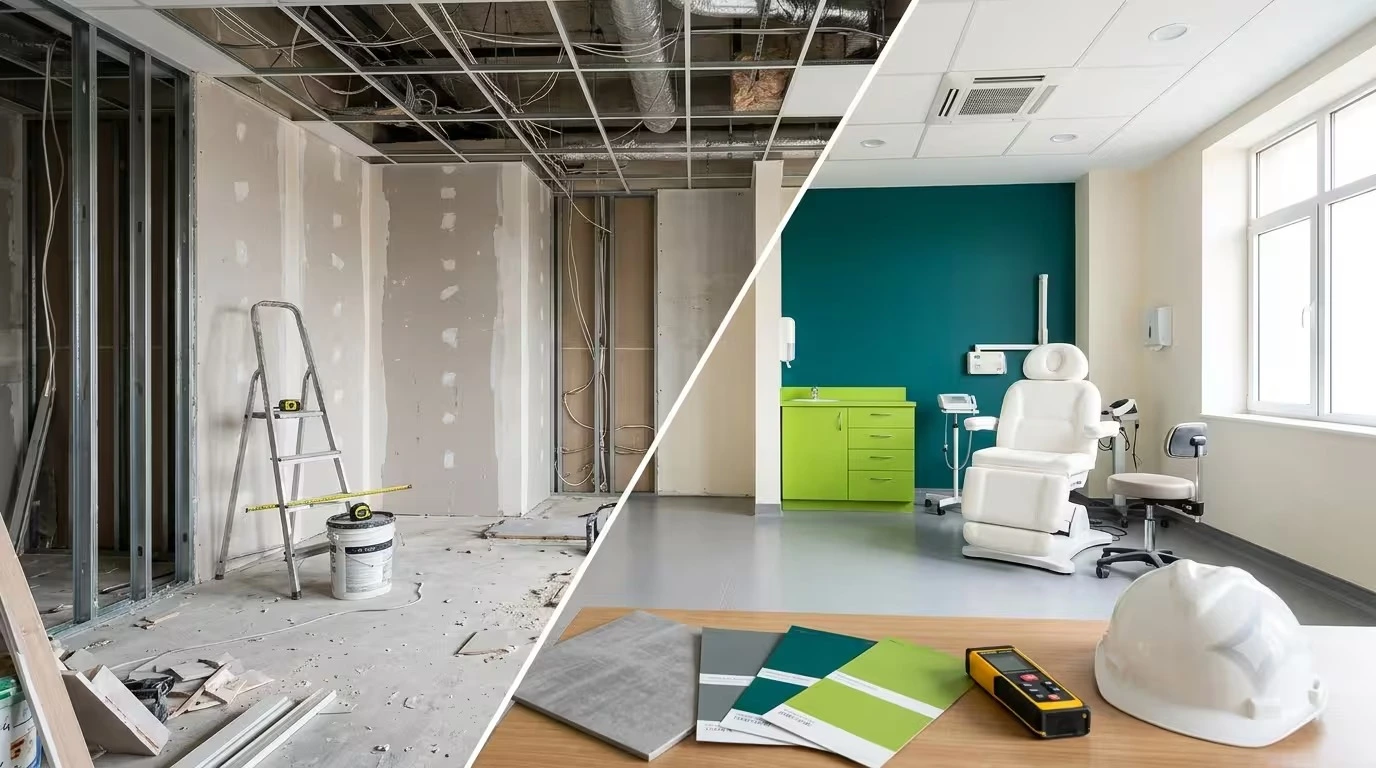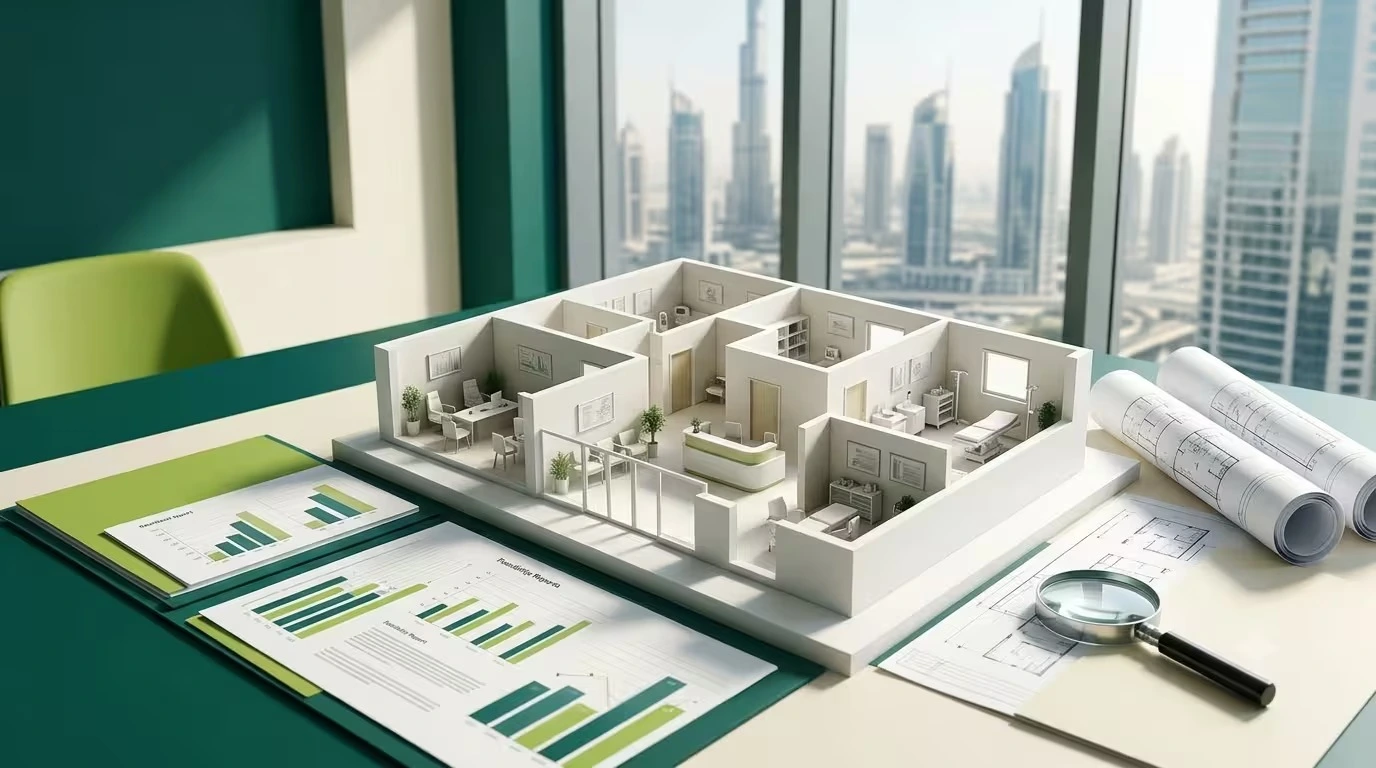



Opening a clinic in Dubai means solving two problems at once: the physical space and the digital backbone running it. Nabidh Integrated Clinic Management Software has become the standard tying both together, since every DHA facility must connect patient records to Dubai’s health exchange. Software alone doesn’t run a clinic. Layout and patient flow depend on how the space is built, where clinic interior fit-out decisions come in. Clinics that scale smoothly use clinic setup companies in Dubai handling Nabidh Integrated Clinic Management Software and medical clinic interior design Dubai as one process, not two separate vendors, and this piece breaks down why.
What NABIDH Actually Does for a Clinic
NABIDH, short for the National Backbone for Integrated Dubai Health, is DHA’s health information exchange. It links licensed facilities across Dubai so patient records, lab results, prescriptions, and consultation notes move securely between providers instead of staying locked in one clinic’s files.
For most outpatient clinics, specialty centres, and diagnostic setups, connecting to a NABIDH-approved system isn’t optional. DHA lists a NABIDH-compliant EMR as a prerequisite for a new facility licence. Before activation, it asks for evidence that the EMR is installed and that its NABIDH connection has been tested.
Operational Gains From Integration
Clinics that run on properly configured Nabidh Integrated Clinic Management Software see measurable shifts in how daily work happens:
- Faster patient handoffs. Referring a patient to a specialist no longer means printing files or waiting on faxed reports
- Fewer duplicate tests. When a patient’s history is already visible, doctors don’t repeat scans or bloodwork unnecessarily
- Cleaner compliance audits. Real-time data sync gives DHA inspectors a verifiable trail instead of paper records that can go missing
- Reduced administrative load. Front desk staff spend less time chasing records from other providers
| Function | Without NABIDH Integration | With NABIDH Integration |
| Patient record access | Manual requests, delays of days | Real-time, secure sharing |
| Duplicate testing | Common, adds cost and time | Minimized through shared history |
| DHA compliance reporting | Manual documentation | Automated, audit-ready |
| Referral coordination | Phone calls, faxed files | Digital handoff between systems |
Why the Physical Space Still Matters
A clinic can have flawless software and still struggle if the space wasn’t designed around how that software gets used. This is where clinic interior fit out decisions come in. Reception desks need power and network points positioned for the EMR terminals. Consultation rooms need layouts that let doctors access patient records without turning away from the patient. Even signage and wayfinding affect how smoothly a digitally connected clinic actually functions day to day.
Medical clinic interior design Dubai projects that account for this early avoid a common and expensive mistake: building the space first and retrofitting IT infrastructure afterward. Cabling, workstation placement, and even lighting near screens all work better when planned alongside the software rollout rather than bolted on later.
What to Look For in Clinic Setup Companies in Dubai
Not every fit-out contractor understands healthcare compliance, and not every software vendor understands construction timelines. The clinics that avoid delays typically choose clinic setup companies in Dubai that manage both sides under one roof.
- DHA regulatory familiarity. The team should know infection control standards, MEP requirements, and NABIDH prerequisites, not just general commercial fit-out.
- Coordinated timelines. Interior fit-out and software integration should be scheduled together so neither holds up the DHA inspection.
- Track record with similar facility types. A dental clinic, dermatology centre, and general practice each have different layout and equipment needs.
- Post-launch support. Ask whether the provider assists with staff training on the new system, not just installation.
A typical medical clinic fit outs project runs four to twelve weeks depending on design complexity, permit approvals, and material procurement. Building in time for NABIDH testing and staff onboarding alongside that construction schedule prevents last-minute scrambling before opening day.
Getting the Sequence Right
The clinics that open without friction generally follow a similar order: confirm the Nabidh Integrated Clinic Management Software vendor early, share the technical requirements with the interior design and fit-out team before construction starts, and run system testing in parallel with the final stages of the build rather than after handover. This sequencing keeps the DHA inspection process moving instead of stalling on a mismatch between the physical space and the digital system meant to run inside it.
OnTime Healthcare handles clinic setup, medical clinic interior design Dubai, and NABIDH-compliant software integration as one coordinated process, so clinic owners aren’t left managing separate vendors who aren’t talking to each other. If you’re planning a new facility or upgrading an existing one, get in touch and we’ll walk you through what your specific setup needs.
FAQs
1. Is NABIDH integration mandatory for all clinics in Dubai?
DHA lists a NABIDH-compliant EMR as a prerequisite for a new facility licence. Before activation, it asks for evidence that the EMR is installed and that its NABIDH connection has been tested.
2. What does Nabidh Integrated Clinic Management Software actually connect to?
It connects a clinic’s EMR system to Dubai’s health information exchange, allowing patient records, lab results, and prescriptions to be shared securely with other DHA-licensed facilities.
3. How long does NABIDH integration typically take?
The process runs through several phases, including data preparation, EMR compatibility checks, and system integration testing. Timelines vary based on the clinic’s existing systems and how quickly documentation is finalized.
4. Can I retrofit NABIDH integration into an already built clinic?
Yes, though it’s more efficient to plan cabling, workstation placement, and network infrastructure during the clinic interior fit out rather than adding them after construction is complete.
5. What’s the difference between fit-out and interior design for a clinic?
Fit-out covers the physical build, including partitions, MEP systems, and flooring. Interior design covers the layout planning, finishes, and patient experience elements. Most clinic setup companies in Dubai handle both together.
6. How long does a typical clinic interior fit out take?
Most medical clinic fit outs projects take between four and twelve weeks, depending on design complexity, permit timelines, and material sourcing.
7. Does medical clinic interior design Dubai need to follow specific DHA standards?
Yes. Layouts must support infection control, patient privacy, and staff workflow requirements set out in DHA facility standards.
8. What happens if my clinic fails a NABIDH compliance check?
Common causes include missing coded data fields or credential mismatches. These need to be corrected and resubmitted before the integration can move to production.
9. Should I choose separate vendors for fit-out and software integration?
It’s generally more efficient to work with clinic setup companies in Dubai that coordinate both, since mismatched timelines between construction and IT setup are a common cause of delays.
10. Can NABIDH integration reduce administrative costs for a clinic?
Yes. Reduced duplicate testing, faster referrals, and automated compliance reporting all cut down on the manual administrative work clinic staff would otherwise handle.
Also Read : Why Choose Healthcare Consultancies in Dubai for Clinic Setup?