

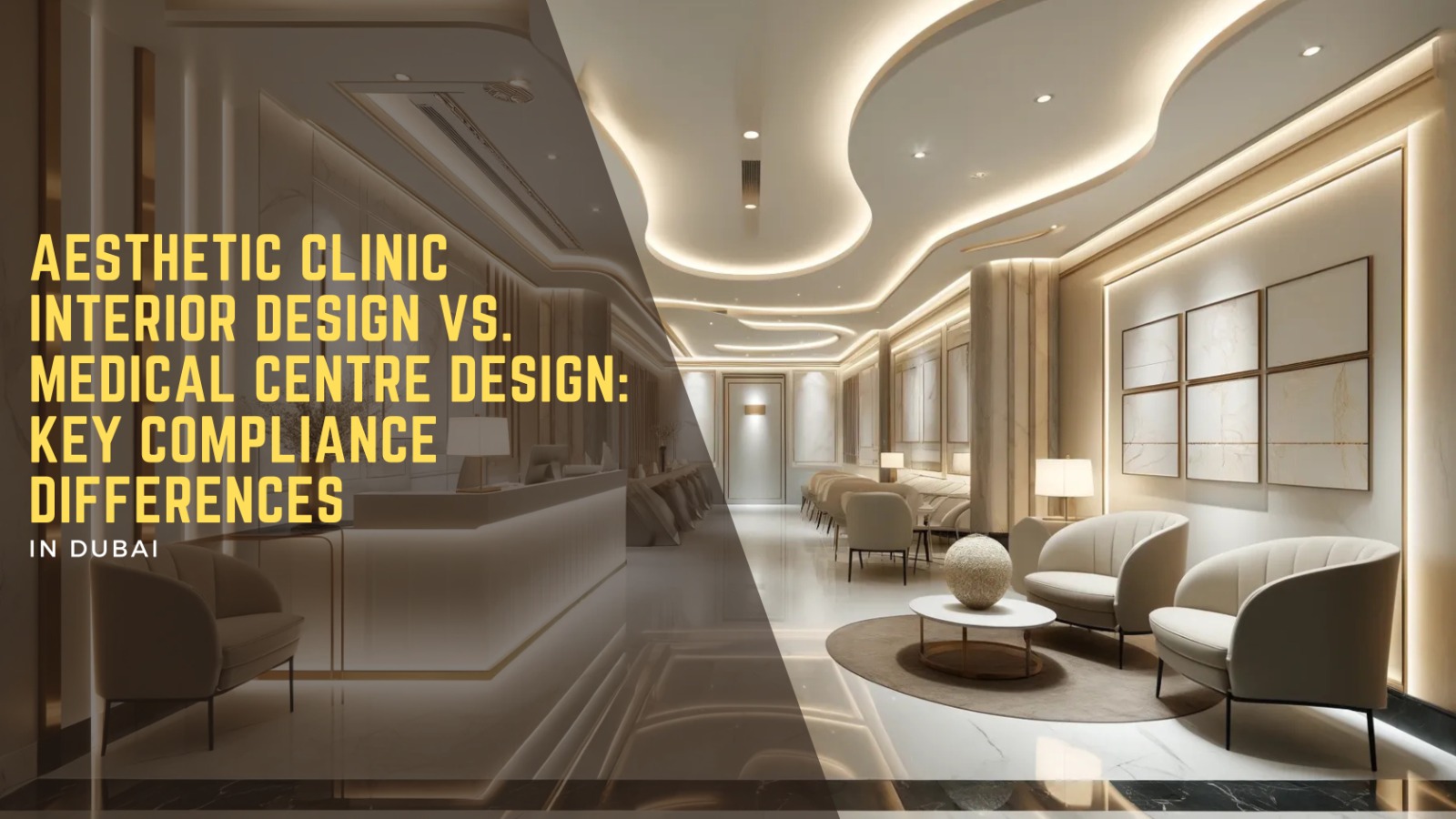
When planning a healthcare facility in Dubai, interior design is not only about how a space looks. It plays a direct role in approvals, inspections, and long-term operations. Many healthcare founders and faculty heads ask whether design rules differ between aesthetic clinics and medical centres. The answer is yes, and the differences matter more than most expect.
Understanding how Aesthetic Clinic Interior Design differs from broader medical centre planning helps healthcare providers make better decisions early. At Ontime Healthcare, Dubai, we support clinics and academic healthcare setups by aligning design choices with regulatory expectations from the start.
Purpose Defines the Design Approach
The first difference begins with purpose. Aesthetic clinics focus on appearance-driven treatments, while medical centres cover diagnostic, preventive, and therapeutic care.
In Aesthetic Clinic Interior Design, the space is planned to feel calm, private, and welcoming. Consultation rooms, treatment areas, and recovery spaces are designed for comfort while still meeting clinical standards.
By contrast, Medical Clinic Interior Design Dubai focuses more on functional zoning. Clear separation between departments, efficient patient flow, and support for diagnostic services take priority. Design decisions are guided by safety, workflow, and inspection readiness.
Layout and Zoning Requirements
Zoning is one of the most reviewed aspects during inspections. Aesthetic clinics usually need less clinical area, but still, patient’s privacy is the key factor.
In the Aesthetic Clinic Interior Design, waiting rooms, examination rooms, and treatment areas are organized to limit the interaction of patients. Hygiene and spacing rules still apply to the recovery and preparation areas.
For medical facilities, Medical Clinic Interior Design Dubai practices necessitate complete separation of clinical, diagnostic, and administrative areas. The nurses’ stations and doctors’ lounges that occupy the layouts should always support great patient influx and variety of services without creating a bottleneck.
Equipment and Infrastructure Planning
Typically, clinics that provide aesthetic treatments use non-invasive or minimally invasive methods and equipment. The design of the clinic is done taking into consideration to supply power, ventilation, and room space for the aesthetic devices.
Imaging systems, laboratories, or emergency equipment can be located in medical centers, that has an influence on ceiling height, wall finishes, and service corridors. These technical needs shape how Clinic Interior Designers approach planning for different facility types.
Design teams must understand how equipment use affects daily operations and inspection outcomes.
Also Read – Why Digital Marketing for Clinics is No Longer Optional in 2025
Infection Control and Safety Measures
Infection control standards apply to all healthcare facilities, though implementation differs based on service scope.
In Aesthetic Clinic Interior Design, materials are chosen for easy cleaning and patient comfort. Treatment rooms must support hygiene while maintaining a calm atmosphere.
Medical centres require stronger infection control zoning. Isolation areas, waste flow routes, and sterilisation spaces are essential in Medical Clinic Interior Design Dubai. These elements are reviewed closely during inspections.
Role of Compliance in Interior Planning
Compliance is not an afterthought. Design and compliance must work together from the planning stage.
This is where Clinic Compliance Services become valuable. These services help review layouts, materials, and workflows before execution begins. Early checks reduce design changes later.
For both aesthetic clinics and medical centres, compliance-focused planning supports smoother approvals and consistent operations.
Choosing the Right Design Expertise
Not all designers understand healthcare regulations. Facilities benefit from working with Clinic Interior Designers who have experience with regulated healthcare environments.
Designers familiar with approvals know how to balance appearance with functionality. They understand how small layout choices can affect inspection readiness.
In complex setups, collaboration between designers and Clinic Compliance Services ensures that visual goals stay aligned with regulatory needs.
Academic and Faculty Healthcare Spaces
Medical faculty setups add another layer to design planning. Teaching areas, demonstration rooms, and supervised treatment spaces must support learning and patient care.
Interior design must allow observation without disrupting privacy. Clear pathways for students and educators are important. These requirements apply across both aesthetic and medical training environments.
Experienced Clinic Interior Designers help translate academic needs into compliant layouts.
Long-Term Operations and Adaptability
Design choices affect daily operations long after approvals are complete. Clinics that plan interiors with future growth in mind find it easier to expand services later.
Thoughtful Aesthetic Clinic Interior Design allows upgrades without disrupting patient experience. Well-planned Medical Clinic Interior Design Dubai supports service additions while maintaining workflow balance.
Planning with adaptability supports sustainability and operational ease.
How Ontime Healthcare Supports Design Decisions
At Ontime Healthcare, Dubai, we guide healthcare providers through design planning with a strong focus on compliance and clarity. Our consultancy approach helps clinics and academic institutions align interior layouts with licensing and inspection needs.
By coordinating design intent with regulatory expectations, we help healthcare facilities move forward with confidence and structure.
Plan Your Clinic Interior with Confidence
If you are planning an aesthetic clinic, medical centre, or academic healthcare facility in Dubai, Ontime Healthcare can support your interior planning and compliance journey.
Speak with our team today to ensure your design choices support approvals and long-term success.
Frequently Asked Questions
1. Do aesthetic clinics and medical centres follow the same design rules?
No, both follow healthcare standards, but layout and zoning differ based on services offered.
2. Is compliance reviewed during interior inspections?
Yes, inspectors review layout, materials, safety measures, and workflow.
3. Can one design approach work for both clinic types?
Design principles differ, so each facility type requires tailored planning.
4. Should compliance be considered during early design stages?
Yes, early compliance review helps avoid later design changes.
5. Does Ontime Healthcare support interior planning guidance?
Yes, Ontime Healthcare provides consultancy support for compliant clinic design planning.