


Introduction and Overview
Anyone planning a dental or aesthetic clinic in Dubai eventually runs into one regulatory step that catches more operators off guard than any other: FANR Approval. It sits outside the standard DHA and DET approval chain, yet it can stall an otherwise on-track project if it is not planned for early. This guide covers the general five-step planning sequence every clinic follows, and shows exactly where FANR Approval fits into that timeline.
This page stays intentionally general. For the full specialty-specific detail behind FANR Approval and interior requirements, the dedicated dental and aesthetic pillar guide linked throughout this page covers exactly what each clinic type needs.
How to Open a Aesthetic Clinic in Dubai – https://ontimehealthcare.com/clinic-setup-in-dubai/
Planning to Open a Dental or Aesthetic Clinic in Dubai? Start With These 5 Steps
The prosperity of the healthcare and wellness sector in Dubai makes it an attractive destination for both new and experienced healthcare professionals. However, understanding how to open a dental clinic in Dubai or how to open an aesthetic clinic in Dubai involves more than obtaining the required licenses. One of the most important aspects of setting up a successful practice is Aesthetic Clinic Interior Design, which plays a vital role in regulatory compliance, patient comfort, workflow efficiency, and brand identity.
This is the place where professional direction is in order. At Ontime Healthcare we make it simple and we take care of all the setup process so that you pass all the standards and milestones. What are the five key steps to opening your new facility license DHA as effectively, compliant, and profitably as possible? Let us take them step by step.
How to Get a Doctor’s License in Dubai – https://ontimehealthcare.com/how-to-get-a-doctors-license-in-dubai/
Why FANR Approval Gets Missed in Planning
Most clinic planning guides focus on DHA and DET milestones, since those apply to every facility. FANR Approval only applies when radiation-emitting equipment is involved, which is why it is easy to overlook until a dental X-ray unit or aesthetic laser device is already sitting in a shipping container waiting for a room that was not designed with shielding in mind.
Step 1: Trade Name Registration and Initial Approval
Register your clinic’s trade name with the Department of Economy and Tourism (DET) or the relevant free zone authority, then move to DHA’s initial approval stage with passport copies, Emirates IDs, and your facility’s address. This step is identical regardless of whether radiation equipment will eventually be involved.
Step 2: Site Assessment and Engineering Drawings
This is where FANR Approval planning needs to start, not later. If your clinic will use dental X-ray equipment or aesthetic laser devices, the engineering drawings prepared at this stage need to account for shielding and ventilation requirements from the outset. Submitting drawings without this consideration risks a rejected layout once the FANR review stage begins.
Step 3: Final Trade License and Interior Design
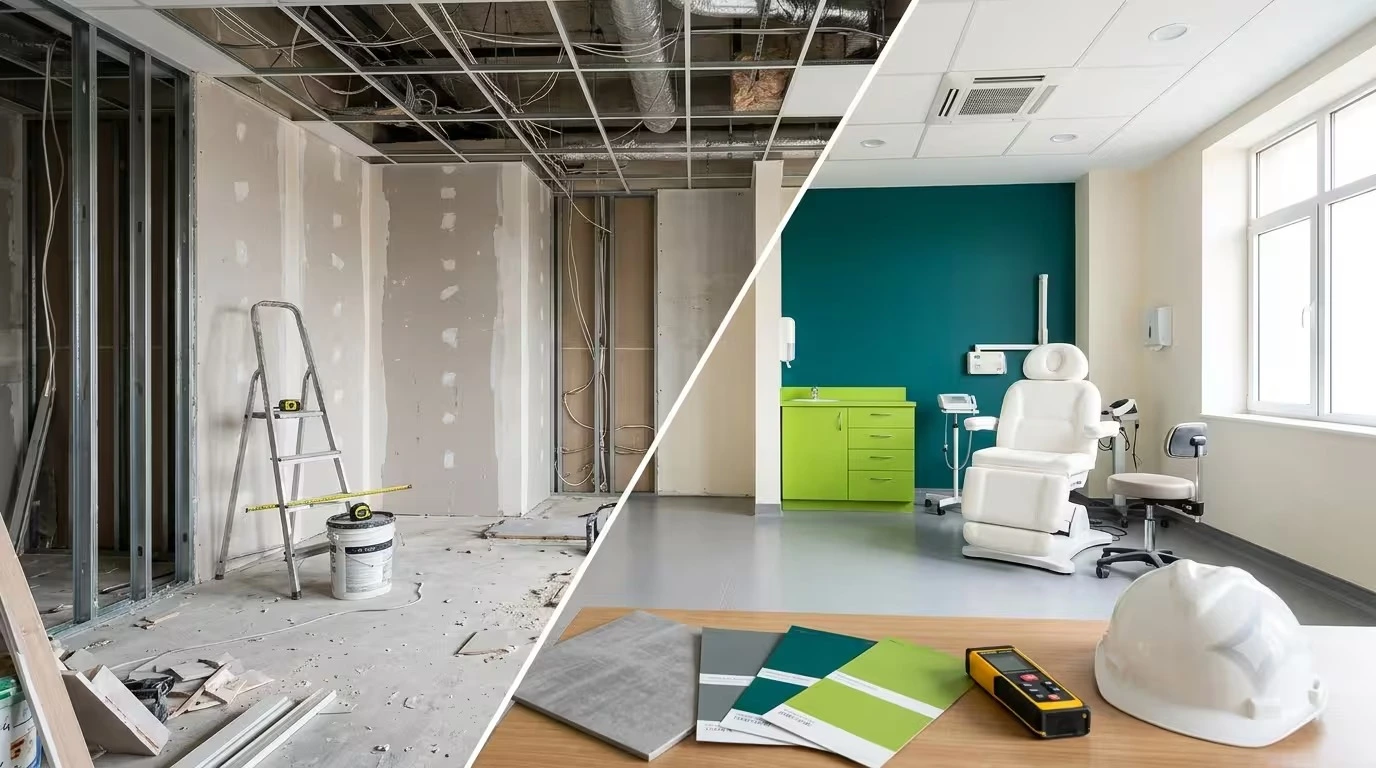
With DHA’s initial approval secured, interior design and fit-out planning follow. For any facility requiring FANR Approval, this is the stage to commission the radiation protection assessment from a FANR-approved medical physicist before construction locks in wall specifications. The specialty-specific requirements, from dental X-ray shielding thickness to aesthetic laser room ventilation, are detailed in the dental and aesthetic licensing and interior pillar guide.
Step 4: Fit-Out Construction and Inspection Preparation
Construction proceeds against the approved design, and this is typically when FANR Approval timelines run in parallel with general fit-out work, since FANR review generally takes several weeks and needs to be complete before the DHA facility inspection can be scheduled. Starting FANR submission late in this stage is one of the most common causes of delayed openings for radiation-equipped facilities.
Step 5: Final DHA Inspection and Operational Licensing
Every practitioner needs an active professional license linked to the facility’s DHA account, and any radiation equipment needs its FANR clearance confirmed, before the final inspection can be scheduled. Once both are in place, the facility license activates and the clinic is ready to treat patients.
Where to Go for Specialty-Specific FANR Detail
This guide covers the planning sequence at a general level. The specifics differ meaningfully by clinic type:
- Dental clinics need FANR Approval for X-ray equipment, with shielding specifications tied to equipment type and clinical workload
- Aesthetic clinics need FANR-adjacent safety compliance for laser and energy devices, alongside separate MOHAP device registration
Both are covered in full detail in the dental and aesthetic licensing and interior pillar guide, which should be read alongside this planning overview once you know which type of clinic you are setting up and which equipment it will use.
Also Read – Process for Opening a New Clinic in Dubai

How OnTime Healthcare Supports This
OnTime Healthcare has guided clinics through this planning sequence since 2003, coordinating FANR Approval alongside DHA facility licensing and interior fit-out so radiation equipment approvals never become the bottleneck holding up an opening date.
Conclusion
The five-step planning sequence for a dental or aesthetic clinic stays largely the same across specialties, but FANR Approval is the one step that depends entirely on what equipment your clinic will use. Planning for it from the engineering drawing stage, rather than treating it as a late addition, keeps the rest of the timeline on track.
Frequently Asked Questions
1. What is FANR Approval and when is it required?
FANR Approval is required from the Federal Authority for Nuclear Regulation for any facility using radiation-emitting equipment, such as dental X-ray units or certain aesthetic laser devices.
2. At what stage of clinic planning should FANR Approval be considered?
As early as the engineering drawing stage, since shielding and ventilation requirements need to be built into the layout rather than retrofitted later.
3. How long does FANR Approval typically take?
It generally takes several weeks and must be completed before the DHA facility inspection can be scheduled for radiation-equipped facilities.
4. Do all dental and aesthetic clinics need FANR Approval?
Only facilities using radiation-emitting equipment, such as dental X-ray machines, need FANR Approval. Non-radiation aesthetic treatments may not require it, though device-specific safety compliance still applies.
5. What happens if FANR Approval is not planned for early enough?
Shielding requirements discovered late in construction are significantly more expensive to retrofit than to build in from the start, and delays can push back the entire facility inspection timeline.
6. Where can I find specialty-specific FANR and interior requirements?
The dedicated dental and aesthetic licensing and interior pillar guide covers FANR shielding specifications, laser room requirements, and device registration timelines specific to each clinic type.
7. Can OnTime Healthcare handle FANR Approval alongside general clinic setup?
Yes. OnTime Healthcare coordinates FANR Approval with DHA facility licensing and interior fit-out as part of a single project plan.
Also Read – Why Digital Marketing for Clinics is No Longer Optional in 2026